My Child Is Scared to Get Out of Bed
to Pee at Night
Did you know that many children who wet the bed do not fully wake up enough to get to the toilet in time?
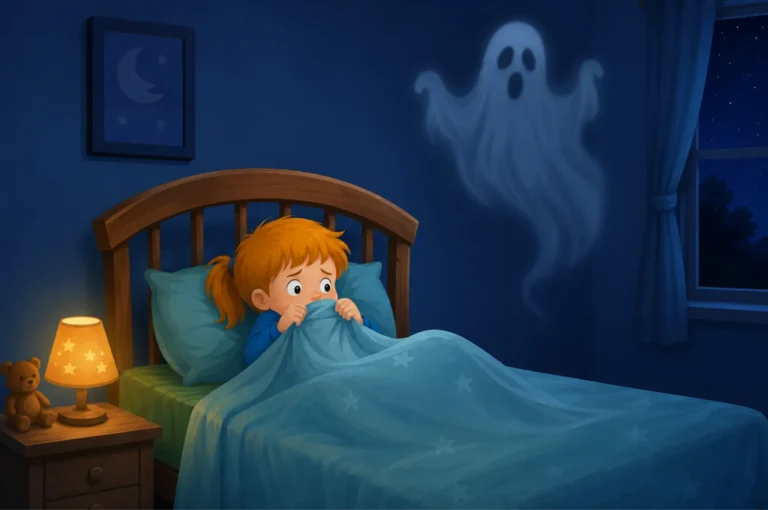
Getting out of a warm bed, waking properly, walking through the house, and making it to the toilet during the night can already feel hard enough. Then add in a fear of the dark, cold floors, scary thoughts, or not wanting to leave the safety of bed… and getting to the toilet can start to feel almost impossible.
A child might think:
- “I’ll wait a bit longer.”
- “I’m scared.”
- “It’s too cold.”
- “I don’t want to get out of bed.”
- “I don’t want to wake anyone up.”
When this happens, a child may stay frozen in bed, try to ignore the feeling, or hope they can fall back asleep. Eventually, the bladder may empty during sleep.
That does not mean they are lazy, and it does not mean they are doing it on purpose. Fear of getting out of bed at night is more common than many people realise, and some adults still remember feeling this exact way as children.
The good news is there are gentle, practical ways to help children feel safer and make getting to the toilet at night much easier.
Helping A Child Feel Safer At Night
A dark hallway and toilet can feel enormous to a child at 2am. Sometimes simple things that help a child feel secure can make a big difference. This might include:
- A night light
- A torch beside the bed
- Soft hallway lighting
- Glow-in-the-dark stars
- A favourite comfort item
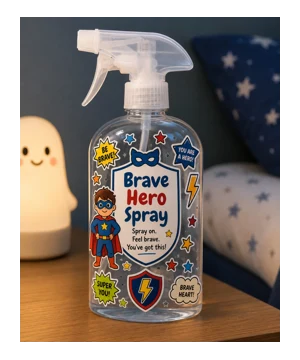
Some children who feel frightened at night also love having a special “ghost spray” or “monster spray” beside the bed. Families use this idea in lots of different ways. Depending on what helps your child feel safer, the spray might:
- Chase away ghosts or keep monsters at bay.
- Turn scary shadows into friendly bedtime guards.
- Create an invisible safety shield or fill the room with “brave air.”
How to Make “Monster Spray”
Simply take a small spray bottle filled with water and add a few drops of lavender or another calming scent. Your child can spray the room before bed to help themselves feel safe and calm. Many children also love making their own label for the spray bottle. Some fun names might include:
-
For the brave 🥷: Night Ninja Spray, Superhero Spray, or Night-Time Power Spray
-
For a laugh 👻: Stinky Monster Fart Spray, Super Stinky Monster Spray, or Monster Tickler Spray
-
For calm 🏰: Sleepy Castle Spray or Invisible Force Field Spray
Sometimes simply helping a child feel more in control at night can make a very big difference.
If the spray idea does not feel right for your child, there are lots of other small things that may help children feel safer getting to the toilet at night. Some children feel safer with:
- Motion sensor night lights
- Soft hallway lighting
- LED strip lights
Asking For Help: Some children also feel safer knowing they can ask for help if needed.
A Potty Strategy That Might Help
One simple strategy is to temporarily reduce the distance between your child and somewhere safe to pee.
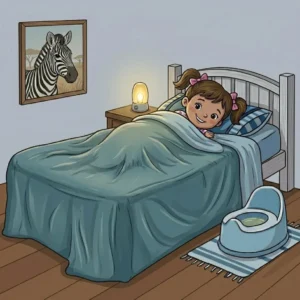
For the first week, place a potty or small portable toilet right beside the bed, with something waterproof underneath to protect the floor or carpet.
The goal is to help your child practise responding to their body’s signals at night – one small step at a time. That might begin with simply waking, getting out of bed, putting their feet on the floor, maybe even just standing up, and getting to a potty beside the bed. This kind of stepping stone can be especially helpful for a child who feels frightened or overwhelmed at night.
ERIC, The Children’s Bowel & Bladder Charity, recommends helping children practise taking themselves to the toilet if they wake. They also mention that using a potty, bucket, or bottle in the bedroom can sometimes be a helpful temporary step. ERIC also suggests using a gentle night light or torch so the room or hallway feels less dark and intimidating at night.
Once your child is using the bedside potty more confidently, you can gradually move it further away every few days or each week. For example, it might move:
- Beside the bed
- Near the bedroom door
- Outside the bedroom
- Further along the hallway
- Eventually into the bathroom
This gradual approach can help children slowly build confidence moving through the house at night.
Should You Wake Your Child?
It can sometimes help to wake your child for the first night or two, simply to show them where the potty is and help them practise using it while sleepy.
After that, try to let your child begin practising the skill themselves. The long-term goal is helping the child learn to wake, get up, and respond to their body independently.
The NHS advises against regularly waking or carrying a child to the toilet during the night because it does not usually help in the long term. ERIC gives similar guidance, explaining that lifting a child may keep the bed dry for that night, but it can also mean the child wees without properly waking.
So if you do wake your child at the beginning, try to keep it short-term and practical. The aim is to help your child learn the path, feel safe, and gradually build confidence doing it themselves.
Keep It Positive
Small rewards can help keep the experience calm and encouraging, but the reward should never be for a dry bed. A child cannot fully control whether they wet the bed during sleep. Instead, focus on rewarding the steps they CAN control:
- Getting out of bed
- Sitting on the potty
- Just trying
- Turning on the light
- Walking to the door
- Having pee in the potty in the morning
ERIC also suggests rewarding each small step along the way, including using the toilet at night, to keep the focus on progress rather than pressure. A child who is scared at night needs to feel safe enough to keep trying, even after a wet bed.
Make the Bathroom Fun
Some children also feel more comfortable using the toilet at night when the bathroom feels a little more fun and less intimidating.
Toilet bowl night lights are a winner, and can make going to the toilet at night quite exciting. Glow-in-the-dark toilet targets, toilet stickers, or simple things to aim at in the toilet can help make nighttime toilet trips feel less stressful and more engaging, especially for boys.
Keeping things light, practical, and playful can reduce resistance and help children feel more willing to get up and go. And for younger children, a sturdy step beside the toilet can also help them feel safer and more confident getting on and off the toilet during the night.
Practise During The Day
Daytime practice can make the nighttime routine feel much less scary. During the day, walk the path from bed to potty or bed to toilet together. Practice the whole journey, from opening their eyes, putting their feet on the floor, and getting out of bed, right through to using the toilet and getting back into bed again.
Keep The Focus Calm And Supportive
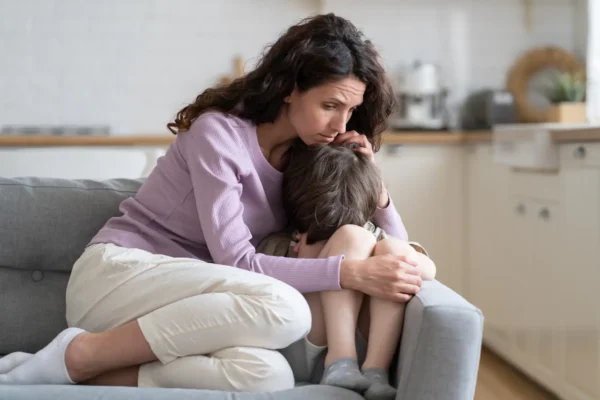
A child who is scared to get out of bed is not being difficult. Their nervous system may be on high alert, their body may be half asleep, and their brain is still learning how to process these signals during sleep.
When you make the path easier, warmer, softer, and less scary, you give your child a better chance to master the skill they are learning. Moving a potty closer, adding soft lighting, and practising during the day can help immensely. It may not solve every part of bedwetting overnight, but it may help some children feel safer and more willing to get up when they need to pee.
Over to you!
Which of these ideas do you think your child would love the most? Are they team “Monster Spray” or team “Path of Light”? Or has your family come up with a brilliant strategy of your own? Let me know in the comments below! 👇
Product Ideas Mentioned in This Article
You may be able to find similar products by searching Amazon for:
- Toilet bowl night lights
- Motion sensor night lights
- Glow-in-the-dark toilet targets
- Toilet target stickers
- Toilet aim targets
- Small portable potty
- Bedside potty
- Toilet step stool for kids
References